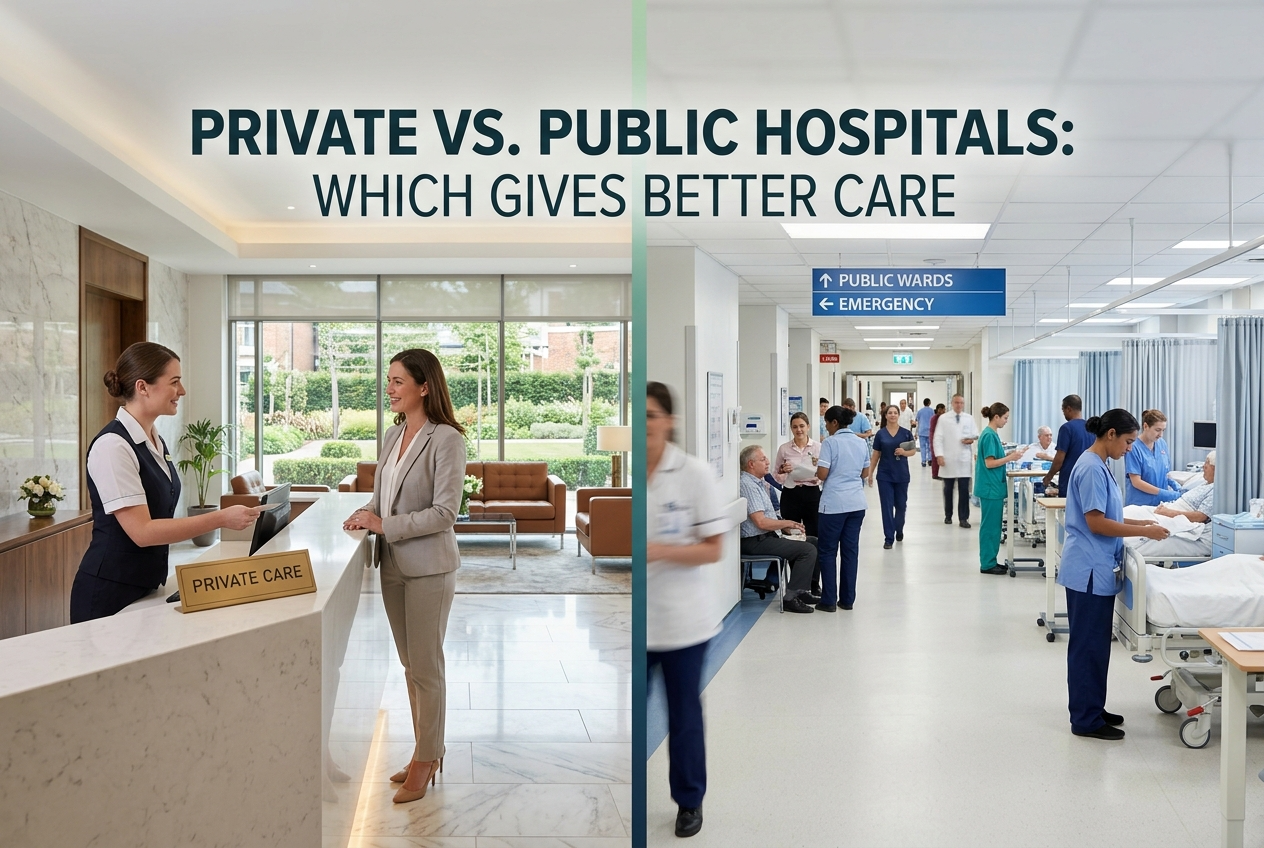
Picture this: you’re sitting in an emergency room at 2 AM, worried sick about a family member, & you can’t help but wonder – are we in the RIGHT place? Should we have gone to that fancy private hospital down the street instead? This question haunts MILLIONS of people every year, & the answer isn’t as simple as you might think.
The debate between private & public hospitals has been raging for DECADES, with passionate advocates on both sides. Some people swear by the luxurious amenities & personalized attention of private facilities, while others argue that public hospitals provide SUPERIOR medical care with more experienced doctors. But what’s the real truth behind these claims?
In this comprehensive guide, we’ll dive deep into the world of healthcare to uncover the SHOCKING differences between private & public hospitals. We’ll explore everything from wait times & doctor qualifications to treatment outcomes & costs. You’ll discover which type of hospital excels in emergency care, which offers better specialized treatments, & most importantly, which one might actually save your LIFE when it matters most.
Whether you’re choosing a hospital for routine surgery, planning for a major medical procedure, or simply want to be prepared for unexpected emergencies, this article will arm you with the knowledge you need to make the BEST decision for you & your family. Get ready to have your assumptions challenged & your eyes opened to the REALITY of modern healthcare.
The Money Question: Understanding the Cost DIFFERENCE
Let’s start with the elephant in the room – MONEY. The financial aspect of healthcare often determines where people end up receiving treatment, whether they like it or not. Private hospitals typically charge significantly higher fees for their services, sometimes costing THREE to FIVE times more than public hospitals for the same procedures. This price difference isn’t just about profit margins; it reflects fundamental differences in how these institutions operate & what they prioritize.
Public hospitals receive government funding & are designed to serve everyone, regardless of their ability to pay. They operate on tight budgets & focus on providing essential medical care to the broadest possible population. This means that while you might not get a private room with gourmet meals, you’ll receive the same LIFE-SAVING treatments that would cost thousands more at a private facility. Many public hospitals also offer payment plans & financial assistance programs for families struggling with medical bills.
Private hospitals, on the other hand, cater to patients who can afford premium healthcare experiences. They invest heavily in amenities like private rooms, better food, shorter wait times, & more personalized service. However, these LUXURY features come with a hefty price tag that can burden families for years. The question becomes: are these extras worth the additional cost, or are you paying more for the same medical outcomes?
Insurance coverage plays a CRUCIAL role in this equation. Many insurance plans have different coverage levels for private versus public hospitals, which can dramatically affect your out-of-pocket expenses. Some policies might cover 100% of public hospital costs but only 70% of private hospital bills, leaving patients with UNEXPECTED financial burdens during already stressful times.
Doctor Expertise & Qualifications: Who Has the BEST Medical Minds?
One of the most SURPRISING truths about hospital staffing might shock you – public hospitals often employ more experienced & specialized doctors than their private counterparts. This seems counterintuitive, but there’s solid reasoning behind it. Public hospitals, especially large teaching hospitals, attract TOP-TIER physicians who want to work on complex cases, conduct research, & train the next generation of doctors.
These medical professionals often choose public hospitals because they offer exposure to a wider variety of cases & the opportunity to work with cutting-edge medical technology funded by government research grants. Dr. Sarah Martinez, an emergency physician with 15 years of experience, explains: “I chose to work at a public hospital because I see conditions here that private hospitals rarely encounter. This keeps my skills sharp & allows me to truly make a difference in my community.”
Private hospitals typically focus on attracting patients through customer service & amenities rather than necessarily having the most experienced medical staff. While they certainly employ qualified doctors, these physicians might have fewer opportunities to handle rare or complex cases. However, private hospitals often provide doctors with more time per patient, which can lead to more thorough consultations & personalized care plans.
The REALITY is that both types of hospitals must meet the same licensing & certification requirements for their medical staff. The difference lies in experience levels, research opportunities, & the types of cases doctors regularly handle. Public hospitals often serve as training grounds for medical residents & fellows, meaning you might receive care from doctors who are constantly learning & staying current with the latest medical advances.
Teaching hospitals, which are predominantly public, combine patient care with medical education & research. This creates an environment where MULTIPLE doctors review each case, leading to more comprehensive treatment plans. While some patients worry about being treated by residents, these doctors work under close supervision of experienced attendings, often resulting in more thorough care than you might receive elsewhere.
Wait Times & Emergency Care: When Every SECOND Counts
Nothing frustrates patients more than sitting in a waiting room for HOURS when they’re in pain or worried about their health. This is where private hospitals often shine, typically offering much shorter wait times for non-emergency procedures & appointments. Private facilities can schedule surgeries more quickly, offer same-day appointments with specialists, & generally move patients through their systems more efficiently.
However, the story becomes more COMPLEX when we talk about emergency care. Public hospitals, particularly those designated as trauma centers, are required by law to treat everyone who walks through their doors, regardless of insurance status or ability to pay. This means they handle a much higher volume of emergency cases, from heart attacks & strokes to car accidents & overdoses. While this might mean longer wait times for non-urgent issues, it also means these hospitals have more experience handling LIFE-THREATENING emergencies.
Private hospitals can sometimes turn away patients who can’t pay or whose insurance they don’t accept, especially for non-emergency situations. They also might not have the specialized equipment or staff to handle certain types of emergencies, requiring them to transfer patients to public hospitals anyway. Imagine being in a car accident & arriving at a private hospital only to be told they need to TRANSFER you to a public hospital for proper trauma care – this delay could be dangerous.
The triage system works differently in each setting too. Public hospitals prioritize patients based strictly on medical urgency, while private hospitals might factor in payment ability or insurance status. This means that in a public hospital, the patient having a heart attack will ALWAYS be seen before someone with a minor injury, regardless of who has better insurance. This medical-first approach often leads to better outcomes in truly urgent situations.
Emergency departments at public hospitals also tend to be open 24/7 with full staffing, while some private hospitals might have limited overnight coverage or might not have specialists available around the clock. When you’re facing a medical emergency at 3 AM, you want to be somewhere that’s fully equipped & staffed to handle whatever comes through the door.
Treatment Outcomes & Quality of Care: What the STATISTICS Really Show
Here’s where things get really INTERESTING – when researchers actually study patient outcomes & survival rates, the results often surprise people. Multiple studies have shown that for many serious conditions, patients at public hospitals actually have better survival rates & fewer complications than those at private hospitals. This finding challenges the common assumption that paying more automatically means getting better medical care.
A landmark study published in the Journal of the American Medical Association found that patients with heart attacks, strokes, & other critical conditions had BETTER outcomes at public teaching hospitals compared to private facilities. The reasons behind these results include higher case volumes (which means more practice for medical staff), better coordination between different medical specialties, & access to more advanced equipment & research protocols.
Public hospitals also tend to have more robust quality control measures in place. Because they receive government funding & oversight, they’re subject to regular inspections & must meet strict performance standards. They’re required to publicly report their infection rates, patient satisfaction scores, & treatment outcomes, creating TRANSPARENCY that helps patients make informed decisions.
Private hospitals certainly aren’t inferior – they excel in areas like patient comfort, customer service, & convenience. Patients often report higher satisfaction with the “hotel-like” experience at private facilities, including better food, nicer rooms, & more attentive non-medical staff. However, when it comes to the actual MEDICAL outcomes that matter most – whether patients survive their illnesses & recover successfully – public hospitals often perform just as well or better.
The key difference might be in the types of cases each hospital handles. Private hospitals often focus on elective procedures & less complex cases, while public hospitals handle more emergency situations & complicated medical conditions. This means that comparing outcomes isn’t always apples-to-apples, but it does suggest that public hospitals are well-equipped to handle the most CHALLENGING medical situations.
Making the RIGHT Choice for Your Healthcare Needs
After examining all the evidence, the answer to whether private or public hospitals provide better care isn’t black & white – it depends entirely on what you VALUE most & what type of care you need. If you’re facing a medical emergency or dealing with a complex condition, public hospitals often provide superior expertise & outcomes. Their doctors see more cases, have access to advanced equipment, & operate within systems designed to handle the most CHALLENGING medical situations.
However, if you’re planning elective surgery & value comfort, convenience, & personalized service, a private hospital might be worth the extra cost. The shorter wait times, private rooms, & enhanced amenities can make your recovery experience much more pleasant, which has its own VALUE for healing & peace of mind.
The most important thing is to do your research BEFORE you need medical care. Look up hospitals in your area, check their ratings & outcomes data, & understand what your insurance covers at each facility. Talk to your primary care doctor about which hospitals they recommend for different types of procedures. Don’t just assume that more expensive means better – sometimes the best medical care comes from institutions focused on MEDICINE rather than luxury.
Consider keeping a list of nearby hospitals & their specialties in your emergency preparedness kit. Know which facilities in your area have trauma centers, which accept your insurance, & which have the best reputations for the types of care you might need. When a medical emergency strikes, you won’t have time to research these details, so being prepared can make all the DIFFERENCE.
Remember that good healthcare isn’t just about the hospital – it’s about the entire team caring for you. Whether you choose private or public, focus on finding providers who listen to your concerns, explain things clearly, & make you feel comfortable with your treatment plan. The BEST hospital is the one where you receive safe, effective care from people who genuinely care about your wellbeing.