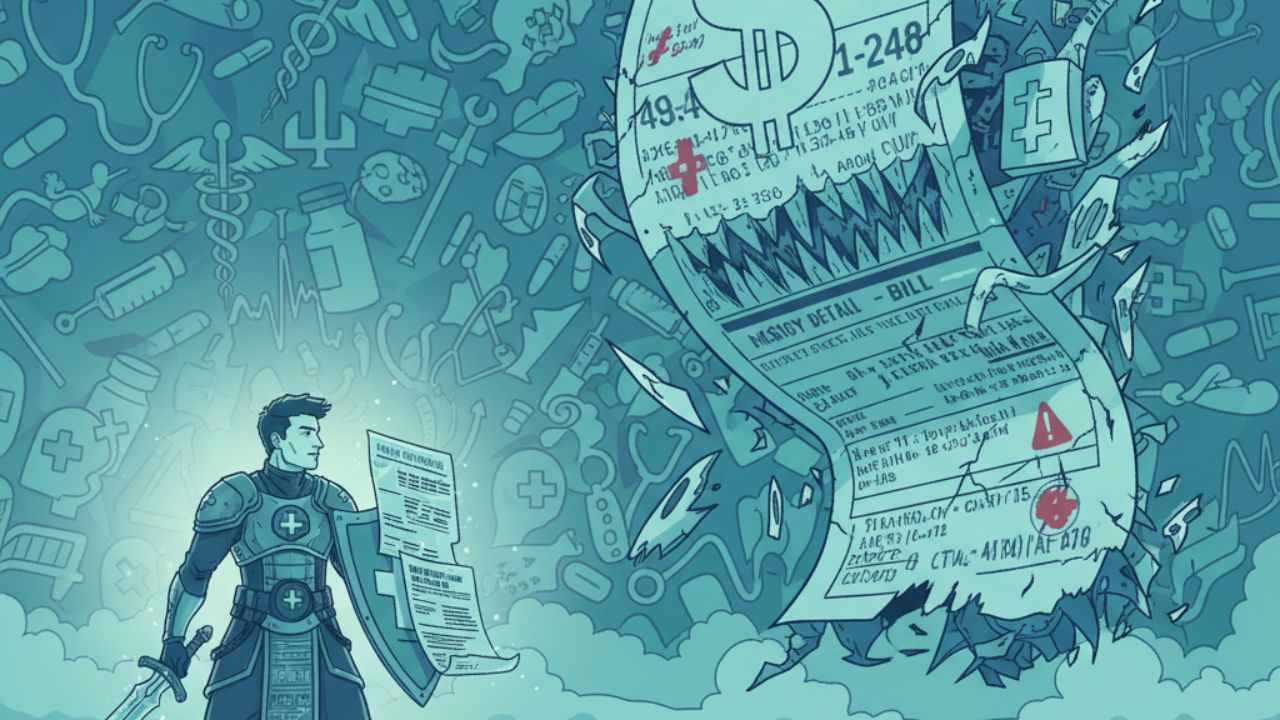
Medical debt is one of the leading causes of financial hardship in the United States. A single trip to the hospital can generate bills that rival the cost of a luxury vehicle or a down payment on a house. Many patients feel overwhelmed when opening their mail, staring at seemingly random charges and confusing insurance codes.
You do not have to accept the first number you see on a medical bill. By learning how the system operates, you can uncover proven strategies for saving thousands of dollars on your medical expenses. From selecting the right coverage to actively negotiating your final charges, you have more power than you might think.
Navigating the US healthcare system requires proactive strategies to mitigate costs. Understanding your insurance policy, researching facilities beforehand, and learning how to negotiate your hospital bills are essential steps for protecting your financial future.
Understanding the US Healthcare System & Insurance
The American healthcare system is notoriously complicated. Before you can effectively reduce your hospital bills, you need to understand the language of health insurance.
The Complex Landscape
Health insurance terminology often feels like a foreign language. Your deductible is the amount you pay out of pocket before your insurance starts covering costs. Copayments are flat fees for specific services, like a $20 charge for a doctor’s visit. Coinsurance is the percentage of costs you share with your plan after hitting your deductible. Your out-of-pocket maximum is your financial safety net; once you hit this limit, your insurance pays 100% of covered services for the rest of the year.
Networks also play a massive role in your final bill. In-network providers have negotiated rates with your insurance company, meaning lower costs for you. Out-of-network providers do not have these agreements, which often results in significantly higher bills. You will also need to understand your specific plan type. Health Maintenance Organizations (HMOs) require referrals to see specialists, while Preferred Provider Organizations (PPOs) offer more flexibility. Exclusive Provider Organizations (EPOs) and Point of Service (POS) plans blend features of both.
Choosing the Right Insurance Plan
Selecting the correct insurance plan during open enrollment is your first line of defense against exorbitant hospital bills. You must assess your medical needs and budget carefully. If you visit the doctor frequently or have a chronic condition, a plan with a higher monthly premium but a lower deductible might save you money overall. Conversely, young and healthy individuals might prefer a high-deductible plan with lower monthly costs.
You should also compare employer-sponsored options against Marketplace plans. While employer plans often subsidize premiums, Marketplace plans might offer better coverage for your specific needs, especially if you qualify for premium tax credits. Always read the fine print to understand plan benefits and limitations, particularly regarding prescription drug coverage and specialist networks.
The Role of Preventative Care and Wellness Programs
Staying healthy is the most effective way to reduce healthcare costs. Preventative care helps catch potential health issues before they require expensive treatments or hospital stays.
Under the Affordable Care Act, most insurance plans must cover certain preventative services without charging a copayment or coinsurance. These free services include annual physicals, immunizations, and specific screenings for cancer and high blood pressure. By taking advantage of these benefits, you maintain your health and avoid the financial shock of unexpected medical emergencies.
Before the Hospital Visit: Proactive Cost-Saving Measures
Medical emergencies happen without warning. However, for planned procedures and non-emergency situations, you can take several proactive steps to minimize your financial liability.
Researching Providers and Facilities
Healthcare prices vary wildly from one facility to another, even within the same zip code. An MRI at a hospital might cost ten times more than the exact same scan at an independent imaging center.
You can use price transparency tools to your advantage. Government websites and third-party apps allow you to compare costs for common procedures in your area. Hospitals are now legally required to post their standard charges online. While these lists can be difficult to read, they provide a baseline for comparing costs before you schedule a surgery or diagnostic test.
Understanding Your Rights as a Patient
Patient advocacy has led to significant legislative changes designed to protect you from unfair billing practices. The No Surprises Act protects consumers from unexpected out-of-network bills, which frequently occurred when a patient went to an in-network hospital but was treated by an out-of-network physician.
You also have the right to request a good faith estimate. Uninsured or self-pay patients can ask their healthcare provider for a detailed estimate of expected charges before receiving non-emergency care. If your final bill is at least $400 higher than the estimate, you can dispute the charges.
Considering Alternatives to ER for Non-Emergencies
Emergency rooms are designed for life-threatening situations and charge a premium for their services. Visiting the ER for a minor issue like a sprained ankle or a mild fever will result in an enormous bill.
Urgent care centers are excellent alternatives for non-life-threatening conditions. They can handle stitches, X-rays, and minor infections at a fraction of the cost of an ER visit. Additionally, many insurance plans now offer telehealth services. Virtual consultations allow you to speak directly with a doctor via smartphone or computer, often for a very low copay, saving you both time and money.
During and After the Hospital Visit: Managing Costs
The billing process begins the moment you step foot inside a hospital. How you handle the paperwork after you are discharged will directly impact your wallet.
Scrutinizing Your Medical Bills
Never pay a medical bill blindly. The initial document you receive is often a summary of charges. You should immediately contact the billing department and request an itemized bill. This document breaks down every single charge, from a specific blood test to the exact medications administered.
Once you have the itemized bill, review it carefully. Medical billing errors are incredibly common. Look for duplicate charges, incorrect billing codes, or fees for services you never actually received. A simple data entry mistake by a hospital employee can add thousands of dollars to your total balance.
Negotiating Hospital Bills
Hospitals would rather receive a partial payment than send an unpaid bill to collections and get nothing. This means your hospital bill is almost always negotiable.
You can approach the billing department and offer a lump-sum payment at a discounted rate. Many hospitals will reduce the bill by 20% or more if you pay the agreed amount immediately. If you cannot afford a lump sum, ask to set up an interest-free payment plan. You can also request to speak with a patient advocate, a professional who helps patients navigate the healthcare system and negotiate charges on their behalf.
Financial Assistance Programs
If you cannot afford your medical bills, you might qualify for financial help. Most non-profit hospitals are legally required to offer charity care policies. These programs provide discounted or free care to patients who meet specific income guidelines.
You do not necessarily need to be below the poverty line to qualify for hospital financial assistance. Middle-income families dealing with catastrophic hospital bills often qualify for significant discounts. Furthermore, you can explore state and federal assistance programs like Medicaid or Children’s Health Insurance Program (CHIP) to see if your income level makes you eligible for retroactive coverage.
Appealing Insurance Denials
Insurance companies frequently deny claims, leaving the patient responsible for the entire bill. A denial is not the final word. You have the right to appeal the insurance company’s decision.
First, understand the appeals process outlined in your plan documents. Often, a denial is the result of a simple coding error or missing paperwork. You can file an internal appeal, asking the insurance company to conduct a full and fair review of its decision. If the company still denies the claim, you can request an external review by an independent third party.
Advanced Strategies for Significant Savings
For those looking to maximize their financial efficiency, several advanced strategies can help shield your income from exorbitant healthcare costs.
Health Savings Accounts (HSAs) and Flexible Spending Accounts (FSAs)
HSAs and FSAs are tax-advantaged accounts that allow you to set aside money specifically for medical expenses. Contributions to an HSA are tax-deductible, the money grows tax-free, and withdrawals for eligible medical expenses are also tax-free. You must be enrolled in a High Deductible Health Plan (HDHP) to open an HSA.
FSAs are similar but typically employer-sponsored and have a “use it or lose it” rule by the end of the year. By funneling your healthcare budget through these accounts, you effectively pay for your medical bills with pre-tax dollars, creating immediate savings equivalent to your income tax rate.
Medical Travel and International Options
The cost of healthcare in the United States is uniquely expensive compared to the rest of the world. For major, non-emergency procedures, medical tourism has become a viable alternative for many Americans.
Traveling abroad for procedures like dental implants, joint replacements, or cosmetic surgery can sometimes save patients up to 80%, even when factoring in flights and accommodations. Countries like Mexico, Costa Rica, and Thailand boast world-class medical facilities that cater specifically to international patients. However, you must thoroughly research the credentials of the doctors and facilities, as international malpractice laws and post-operative care standards differ greatly from those in the US.
Advocating for Yourself or a Loved One
The healthcare system is intimidating, and doctors are frequently rushed. It is crucial to advocate for yourself. Ask specific questions about why a test is being ordered and whether a cheaper alternative exists. Refuse unnecessary procedures if they do not align with your care goals.
If you are dealing with a severe illness, bring a trusted friend or family member to your appointments. They can take notes, ask questions you might forget, and ensure that the doctors and billing departments respect your rights.
Taking Control of Your Healthcare Costs
Understanding the intricacies of the American medical system takes time and effort. By learning health insurance terminology, aggressively reviewing itemized bills, and leveraging negotiation tactics, you can drastically reduce your financial burden.
No one should face bankruptcy simply because they got sick or injured. Equip yourself with these cost-saving strategies so you can make informed decisions about your care. Developing financial literacy in healthcare allows you to focus your energy on what truly matters: healing and maintaining your physical well-being.